Buy warsawclinic.eu ?
We are moving the project
warsawclinic.eu .
Are you interested in purchasing the domain
warsawclinic.eu ?
domain@kv-gmbh.de · 0541-91531010
Buy warsawclinic.eu ?
How do I update a JPanel?
To update a JPanel, you can call the `repaint()` method on the panel. This will schedule a call to the panel's `paintComponent()` method, which will then redraw the panel. If you need to update the contents of the panel, you can modify the data that the panel uses to render itself, and then call `repaint()` to trigger a redraw. Additionally, you can also call `revalidate()` on the panel if you have added or removed components from it, to ensure that the layout is updated correctly. **
What is JPanel used for in Java?
JPanel is a Swing component in Java that is used to group and organize other components, such as buttons, labels, text fields, etc., within a container. It provides a way to manage the layout of these components and customize their appearance. JPanel is commonly used to create panels or sections within a graphical user interface, allowing for better organization and structure of the user interface components. **


Similar search terms for JPanel
Top-Angebote
Products related to JPanel:
-
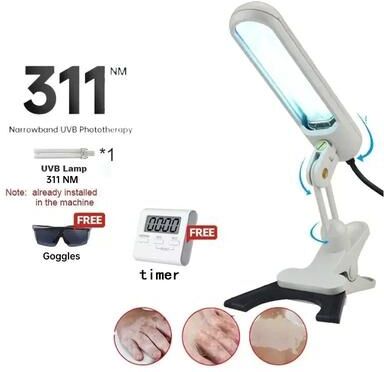
Useful Little Things 311nm Narrowband UVB Medical Grade Phototherapy Lamp For Skin Health Management1 1 SetManaging persistent and uncomfortable chronic skin conditions like psoriasis, vitiligo, and eczema often involves frequent clinical visits that consume considerable time and expense. Relying solely on thick topical creams or systemic options can...179,97 $*Shipping: 0,00 $Secure redirect to the provider
-
Inspire Select 2025 Health Smart Watch AMOLED Bluetooth Call Fitness Tracker With ECG & Wellness Monitoring blueStay connected while monitoring your daily wellness with this advanced health smart watch designed for fitness, lifestyle tracking, and smart convenience. Featuring a stunning AMOLED smartwatch display, Bluetooth calling, ECG monitoring, and...299,95 $*Shipping: 0,00 $Secure redirect to the provider
-
Kyle Books 2 Weeks to Feeling Great by Gabriela Peacock – Sunday Times Bestseller Health & Wellness Plan2 Weeks to Feeling Great is nutritionist Gabriela Peacock's comprehensive guide to health and wellbeing aimed at busy people who may not have the time - or inclination - to commit to strict rules that are not compatible with real life and instead focuses on what is achievable. It includes two detailed 14-day programmes on intermittent fasting, scientifically proven to be the most effective method of safely reaching a healthy weight. Covering everything from improving sleep to rebalancing hormones and increasing energy, the easy-to-remember tips and recommendations require minimal effort but deliver significant results. Gabriela also looks at other lifestyle factors, in addition to diet, that affect health - from household and beauty products to reducing the use of plastics. The bottom line is, you don't have to be perfect in order to feel and look better.9,95 £*Shipping: 2,99 £Secure redirect to the provider
-
Uplifted Finds 2025 Nursing Health Laser Smartwatch Blood Pressure & Pulse Monitor Executive Wellness Bluetooth Call Suite red"Inaugurate a powerful ""VitalitySanctuary"" energy in your environment with our most advanced healthmonitoring solution. This premium Nursing Health Smartwatch is the ultimate designer choice for creating a ""PrecisionModern"" or ""ExecutiveStudioLuxe""..."234,97 $*Shipping: 0,00 $Secure redirect to the provider



-
How do you create a JPanel with Eclipse?
To create a JPanel with Eclipse, you can follow these steps: 1. Open Eclipse and create a new Java project. 2. Right-click on the src folder in the project explorer and select New -> Class. 3. In the New Java Class dialog, give your class a name and check the box that says "public static void main(String[] args)". 4. Click Finish to create the class. Inside the class, you can create a JPanel object by importing javax.swing.JPanel and instantiating it in the main method. 5. You can then add components to the JPanel and customize its appearance as needed. **
-
What is a background image for a JPanel?
A background image for a JPanel is an image that is displayed behind the components of the JPanel. It can be used to enhance the visual appearance of the panel and create a more immersive user interface. The background image can be set using the setOpaque(false) method to make the panel transparent and then adding the image as the background using the setIcon() method of a JLabel. This allows for customization and personalization of the JPanel to better suit the application's design. **
-
How do I position an image in a JPanel?
To position an image in a JPanel, you can use a layout manager such as BorderLayout, FlowLayout, or GridBagLayout to control the position of the image within the panel. You can also set the preferred size of the image using the setPreferredSize() method and then add the image to the panel using the add() method. Additionally, you can use the setBounds() method to specify the exact position and size of the image within the panel. **
-
What is the purpose of using JPanel in Java?
The purpose of using JPanel in Java is to provide a container for organizing and grouping components within a graphical user interface. It allows for the creation of complex layouts by adding and arranging various components such as buttons, labels, text fields, and other GUI elements. JPanel also enables the creation of custom components and provides a way to manage their appearance and behavior. Overall, JPanel helps in creating a more organized and visually appealing user interface for Java applications. **


How do I change the size and position of the JPanel?
To change the size of a JPanel, you can use the `setSize(int width, int height)` method, where you specify the desired width and height in pixels. To change the position of a JPanel within its container, you can use layout managers like BorderLayout, FlowLayout, GridLayout, etc., or set the location explicitly using `setLocation(int x, int y)` method. You can also use setBounds(int x, int y, int width, int height) to set both the size and position of the JPanel in one go. **
How can I attach a JPanel to the bottom of a JFrame or JDialog?
To attach a JPanel to the bottom of a JFrame or JDialog, you can use a BorderLayout manager. By default, a JFrame or JDialog uses a BorderLayout. You can add your JPanel to the SOUTH position of the BorderLayout using the add() method. This will automatically position the JPanel at the bottom of the frame or dialog. Additionally, you can customize the layout by using other layout managers or setting constraints for the components within the JPanel. **
Top-Angebote
Products related to JPanel:
-
Drop Dash Deals Premium Dental & Medical Dry Heat Sterilizer Adjustable Dental Sterilizer Autoclave For Clinic, Tattoo & Vet Instrumen Premium Dental & Medical Dry Heat Sterilizer Adjustable Dental Sterilizer Autoclave For Clinic, Tattoo & Vet InstrumenStep up your hygiene game with a professionalgrade sterilizer designed for those who demand reliable, consistent results every time. This 1 pc of compact dry heat sterilizer delivers powerful, hightemperature instrument sterilization ideal for...89,97 $*Shipping: 0,00 $Secure redirect to the provider
-
Reader's Library Classics In the FLO & Womancode 2 Books Collection Set – Women’s Health & Wellness CollectionIn the FLO A 28-day plan working with your monthly cycle to do more & Womancode: Perfect Your Cycle Amplify Your Fertility Supercharge Your Sex Drive By Alisa Vitti 2 Books Collection Set In the FLO A 28-day plan working with your monthly cycle to do more and stress less: In the Flo teaches women how to use their 28-day cycle to optimize their life by letting their internal clock and natural rhythms guide time management, diet, fitness, etc. (This is so simple and yet under-utilized it is shocking. It makes perfect sense when you think about it: You have different energy levels at different times of the month, different libido levels, etc. so why not use foresight to plan projects for when you are at your most effective, and understand when you need more emotional connection with others?) Womancode Perfect Your Cycle, Amplify Your Fertility, Supercharge Your Sex Drive: Alisa Vitti found herself suffering through the symptoms of polycystic ovarian syndrome (PCOS), and was able to heal herself through food and lifestyle changes. Relieved and reborn, she made it her mission to empower other women to be able to do the same. As she says, 'Hormones affect everything. Have you ever struggled with acne, oily hair, dandruff, dry skin, cramps, headaches, irritability, exhaustion, constipation, irregular cycles, heavy bleeding, clotting, shedding hair, weight gain, anxiety, insomnia, infertility, lowered sex drive, or bizarre food cravings and felt like your body was just irrational?' With this breadth of symptoms, improving hormonal health is a goal for women at every stage of their lives Alisa Vitti says that medication and anti-depressants aren't the only solutions.14,90 £*Shipping: 2,99 £Secure redirect to the provider
-
Useful Little Things 311nm Narrowband UVB Medical Grade Phototherapy Lamp For Skin Health Management1 1 SetManaging persistent and uncomfortable chronic skin conditions like psoriasis, vitiligo, and eczema often involves frequent clinical visits that consume considerable time and expense. Relying solely on thick topical creams or systemic options can...179,97 $*Shipping: 0,00 $Secure redirect to the provider
-
Inspire Select 2025 Health Smart Watch AMOLED Bluetooth Call Fitness Tracker With ECG & Wellness Monitoring blueStay connected while monitoring your daily wellness with this advanced health smart watch designed for fitness, lifestyle tracking, and smart convenience. Featuring a stunning AMOLED smartwatch display, Bluetooth calling, ECG monitoring, and...299,95 $*Shipping: 0,00 $Secure redirect to the provider
-
How do I update a JPanel?
To update a JPanel, you can call the `repaint()` method on the panel. This will schedule a call to the panel's `paintComponent()` method, which will then redraw the panel. If you need to update the contents of the panel, you can modify the data that the panel uses to render itself, and then call `repaint()` to trigger a redraw. Additionally, you can also call `revalidate()` on the panel if you have added or removed components from it, to ensure that the layout is updated correctly. **
-
What is JPanel used for in Java?
JPanel is a Swing component in Java that is used to group and organize other components, such as buttons, labels, text fields, etc., within a container. It provides a way to manage the layout of these components and customize their appearance. JPanel is commonly used to create panels or sections within a graphical user interface, allowing for better organization and structure of the user interface components. **
-
How do you create a JPanel with Eclipse?
To create a JPanel with Eclipse, you can follow these steps: 1. Open Eclipse and create a new Java project. 2. Right-click on the src folder in the project explorer and select New -> Class. 3. In the New Java Class dialog, give your class a name and check the box that says "public static void main(String[] args)". 4. Click Finish to create the class. Inside the class, you can create a JPanel object by importing javax.swing.JPanel and instantiating it in the main method. 5. You can then add components to the JPanel and customize its appearance as needed. **
-
What is a background image for a JPanel?
A background image for a JPanel is an image that is displayed behind the components of the JPanel. It can be used to enhance the visual appearance of the panel and create a more immersive user interface. The background image can be set using the setOpaque(false) method to make the panel transparent and then adding the image as the background using the setIcon() method of a JLabel. This allows for customization and personalization of the JPanel to better suit the application's design. **
Similar search terms for JPanel
-
Kyle Books 2 Weeks to Feeling Great by Gabriela Peacock – Sunday Times Bestseller Health & Wellness Plan2 Weeks to Feeling Great is nutritionist Gabriela Peacock's comprehensive guide to health and wellbeing aimed at busy people who may not have the time - or inclination - to commit to strict rules that are not compatible with real life and instead focuses on what is achievable. It includes two detailed 14-day programmes on intermittent fasting, scientifically proven to be the most effective method of safely reaching a healthy weight. Covering everything from improving sleep to rebalancing hormones and increasing energy, the easy-to-remember tips and recommendations require minimal effort but deliver significant results. Gabriela also looks at other lifestyle factors, in addition to diet, that affect health - from household and beauty products to reducing the use of plastics. The bottom line is, you don't have to be perfect in order to feel and look better.9,95 £*Shipping: 2,99 £Secure redirect to the provider
-
Uplifted Finds 2025 Nursing Health Laser Smartwatch Blood Pressure & Pulse Monitor Executive Wellness Bluetooth Call Suite red"Inaugurate a powerful ""VitalitySanctuary"" energy in your environment with our most advanced healthmonitoring solution. This premium Nursing Health Smartwatch is the ultimate designer choice for creating a ""PrecisionModern"" or ""ExecutiveStudioLuxe""..."234,97 $*Shipping: 0,00 $Secure redirect to the provider
-
Inspire Select 2025 Health Smart Watch AMOLED Bluetooth Call Fitness Tracker With ECG & Wellness Monitoring silverStay connected while monitoring your daily wellness with this advanced health smart watch designed for fitness, lifestyle tracking, and smart convenience. Featuring a stunning AMOLED smartwatch display, Bluetooth calling, ECG monitoring, and...298,98 $*Shipping: 0,00 $Secure redirect to the provider
-
Inspire Select 2025 Health Smart Watch AMOLED Bluetooth Call Fitness Tracker With ECG & Wellness Monitoring pinkStay connected while monitoring your daily wellness with this advanced health smart watch designed for fitness, lifestyle tracking, and smart convenience. Featuring a stunning AMOLED smartwatch display, Bluetooth calling, ECG monitoring, and...299,96 $*Shipping: 0,00 $Secure redirect to the provider
-
How do I position an image in a JPanel?
To position an image in a JPanel, you can use a layout manager such as BorderLayout, FlowLayout, or GridBagLayout to control the position of the image within the panel. You can also set the preferred size of the image using the setPreferredSize() method and then add the image to the panel using the add() method. Additionally, you can use the setBounds() method to specify the exact position and size of the image within the panel. **
-
What is the purpose of using JPanel in Java?
The purpose of using JPanel in Java is to provide a container for organizing and grouping components within a graphical user interface. It allows for the creation of complex layouts by adding and arranging various components such as buttons, labels, text fields, and other GUI elements. JPanel also enables the creation of custom components and provides a way to manage their appearance and behavior. Overall, JPanel helps in creating a more organized and visually appealing user interface for Java applications. **
-
How do I change the size and position of the JPanel?
To change the size of a JPanel, you can use the `setSize(int width, int height)` method, where you specify the desired width and height in pixels. To change the position of a JPanel within its container, you can use layout managers like BorderLayout, FlowLayout, GridLayout, etc., or set the location explicitly using `setLocation(int x, int y)` method. You can also use setBounds(int x, int y, int width, int height) to set both the size and position of the JPanel in one go. **
-
How can I attach a JPanel to the bottom of a JFrame or JDialog?
To attach a JPanel to the bottom of a JFrame or JDialog, you can use a BorderLayout manager. By default, a JFrame or JDialog uses a BorderLayout. You can add your JPanel to the SOUTH position of the BorderLayout using the add() method. This will automatically position the JPanel at the bottom of the frame or dialog. Additionally, you can customize the layout by using other layout managers or setting constraints for the components within the JPanel. **
* All prices are inclusive of VAT and, if applicable, plus shipping costs. The offer information is based on the details provided by the respective shop and is updated through automated processes. Real-time updates do not occur, so deviations can occur in individual cases. ** Note: Parts of this content were created by AI.